
Introduction
Kidney disease is one of the most daunting illnesses affecting around 37 million people only in the United States. The fact of the matter is that many of these people will not realize they have kidney problem until it’s too late. For this, kidney disease is dubbed the silent killer.
Unfortunately, the end-stage of kidney disease is kidney failure, which means your kidneys are functioning below 15% of their normal capacity. Kidney disease can take the form of acute or chronic, but the chronic form is usually the one that is harder to detect and affects around 800 million people worldwide every year.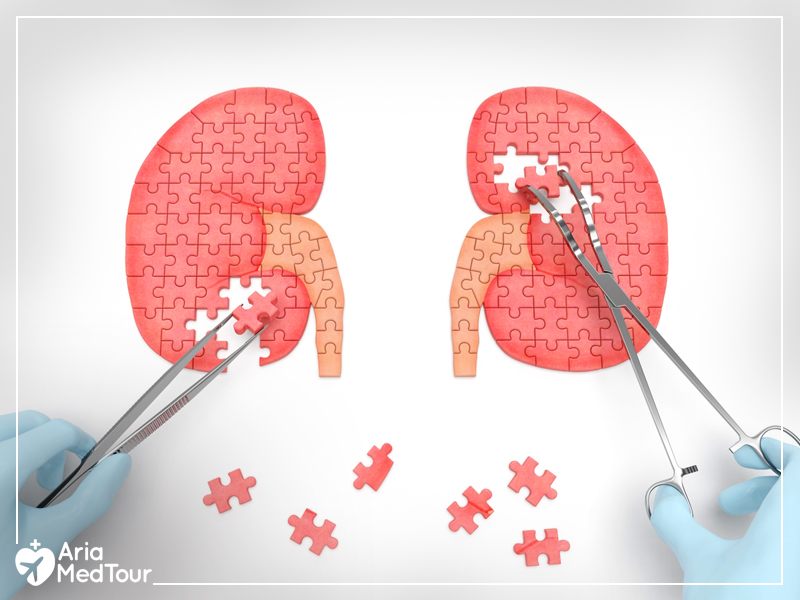
When the late-stage happens, the only ways to assure survival are dialysis and kidney transplant. Both of these treatment options affect patients for life. Kidney disease consists of five stages, from slight damage to kidneys to kidney failure. The goal is to control it at stage one.
All of these being said, patients need to be aware of kidney disease signs and symptoms early on, and not mistake them for those of other milder diseases or ignore them altogether.
Signs and symptoms of kidney disease
Here are 13 signs and symptoms indicating there might be something wrong with your kidneys:
1- Being in the risk group
The first and most important thing is to assess whether or not you are in the risk group. The risk group for kidney failure includes people who have diabetes, high blood pressure, cardiovascular disease, abnormal kidney structure and family history of kidney disease. As usual, smokers, obese and elderly people are at a higher risk.
2- Drowsiness, tiredness and difficulty in concentrating
Although this symptom might appear in many diseases, it also occurs in people with kidney disease for two reasons. One is that your kidneys are not functioning well, and toxins are building up in your blood. This issue can damage central nervous system, create brain fog and feelings of tiredness. Another reason is that kidneys are crucial in the process of making fresh blood, so if they don’t work properly it can lead to anemia, and as a result, drowsiness and tiredness.
3- Nausea, poor appetite and vomiting
This is also the direct result of toxin build-up; however, it might be present in many other diseases.
4- Blood in urine
Blood in urine is a common symptom of the inflammation of the kidneys’ filtering system, which is called glomerulonephritis. One of the functions of the kidneys is to ensure that the nutrients and minerals your body needs stay in your blood and don’t leak out. When this filter-like structure of the kidneys is damaged, red blood cells leak out into urine. However, blood in urine can also be a sign of kidney stones, benign and malignant tumors or a simple infection.
5- Swollen extremities
Another function of the kidneys is to ensure the balance of electrolytes in your body. When these electrolytes are kept inside the body or excreted excessively because of kidney malfunction, problems will arise. One of these electrolytes is sodium, the retention of which inside the body due to a kidney malfunction leads to osmotic imbalance. This, in turn, causes water to enter the tissue and make your ankles and feet look swollen. This symptom is not exclusive to kidney diseases and can be observed in heart diseases, liver diseases and chronic leg vein conditions.
6- Baggy eyes
As mentioned before, kidneys play an important role in maintaining fluid balance in the body. When this fluid is retained because of kidneys’ malfunction, it can cause swelling and puffiness around the eyes. But this problem might also be observed in liver diseases.
7- Chest pain and shortness of breath
This is also the result of fluid being retained both around the heart and in the lungs. Fluid build-up in the lungs can cause shortness of breath and breathing difficulty.
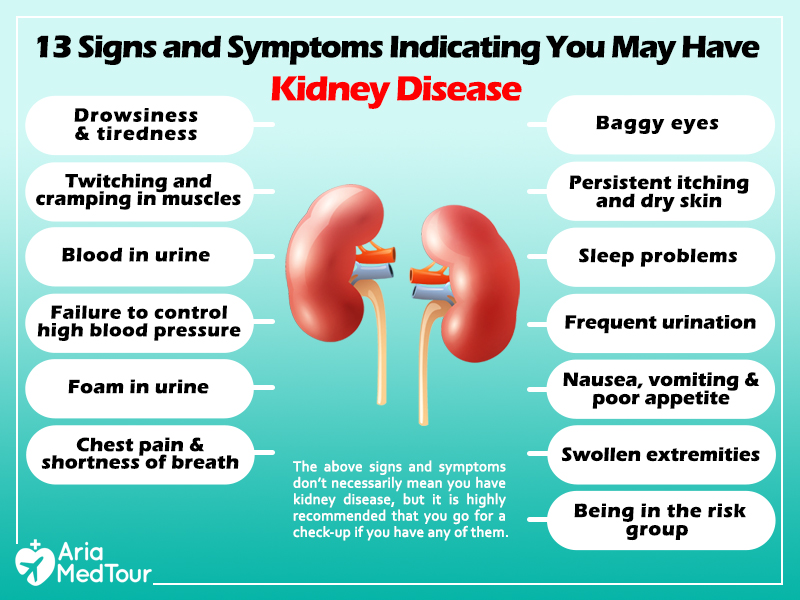
8- Sleep problems
This is also because of toxin build-up and damage they inflict on your central nervous system.
9- Persistent itching and dry skin
Kidneys are responsible for removal of waste and excessive water from your body. In later stages of kidney disease, when this process is disrupted and the balance is disrupted, mineral imbalance and bone disease carve their way in. The result is itchy and dry skin.
10- Frequent urination
When kidneys are damaged, it can result in increased urge to urinate, especially at night. However, this can be a sign of enlarged prostate, urinary infections and also diabetes.
11- Foam in urine
If you see foam in your urine, especially foam that needs excessive flushing to get rid of, you should be alarmed. As mentioned before, kidneys are responsible for keeping vital nutrients from leaking out into your urine. One of these nutrients are proteins.
When kidneys are damaged, they lose their ability to retain protein in your body and will excrete it by urine. The foam you are observing is probably the protein being wrongly excreted, especially if this foam looks like the foam that is created when you scramble eggs, since the main protein found in urine after kidney damage is albumin, the same protein that is inside eggs.
12- Twitching and cramping in muscles
Muscles need electrolytes to function properly. For example, calcium is needed for calcium channels to open up in cells to ensure correct messaging to muscles. When kidneys are damaged, due to loss of electrolyte imbalance, this objective will not be met and muscles start working improperly and muscle twitching and cramping will follow.
13- Failure to control high blood pressure
Kidneys also have a major role in controlling blood pressure and blood volume. When kidneys don’t function properly because of the damage they have taken, they will not do their job maintaining normal blood pressure and homeostasis and part of the feedback loop that controls blood pressure will be broken.
Conclusion
It is very important to monitor your kidneys’ health, especially if you are in the risk group. The signs and symptoms provided here although not conclusive, but can be the starting point if you suspect you might have kidney problems. It’s always important to consult your doctor for getting a diagnosis to receive the best care and, in case you are affected by kidney disease, the best course of treatment.
Share this article:
Before & After Photos






Medical & Cosmetic Treatments





Click here to add your own text
Related Articles








I’ve been feeling unusually tired lately and noticed some changes in my urination. What is the first sign of kidney problems? Also, what are the 3 early warning signs of kidney disease that people usually overlook?
Early signs are often subtle. Common early signs of kidney disease include fatigue, swelling in the legs or face, and changes in urine output. These are classic signs and symptoms of kidney disease that shouldn’t be ignored, especially if they persist.
I’m trying to understand whether symptoms differ by gender. Are kidney disease symptoms male patients experience different from women? I also read about kidney disease symptoms in men being more advanced before diagnosis.
Hi Jason! Yes, kidney disease symptoms in men may go unnoticed longer because men often delay checkups. Common symptoms of kidney disease in men include high blood pressure, fatigue, erectile dysfunction, and swelling. Early screening is key to prevention.
My father has been diagnosed with reduced kidney function. What are the typical low kidney function symptoms and symptoms of low kidney function we should watch for at home?
My father has been diagnosed with reduced kidney function. What are the typical low kidney function symptoms and symptoms of low kidney function we should watch for at home?
I want to stay proactive. How can someone tell the difference between signs of healthy kidneys and potential warning signs? Are there clear healthy kidney symptoms?
Hi Noah! Signs of healthy kidneys include clear or light-colored urine, stable energy levels, and normal blood pressure. Absence of pain, swelling, or fatigue are also considered healthy kidney symptoms.
I’ve been having lower back pain and fever. Could this be related to kidney inflammation symptoms or inflamed kidney symptoms? How serious is this?
Pain combined with fever can indeed be kidney inflammation symptoms. Other inflamed kidney symptoms include chills, nausea, and painful urination. This condition requires prompt medical evaluation to prevent kidney damage.
How do you know when kidney issues become severe? What are the main kidney failure symptoms and symptoms of kidney failure people should be aware of?
Advanced kidney failure symptoms include extreme fatigue, shortness of breath, confusion, and fluid buildup. These are also key symptoms of kidney failure and indicate the need for urgent medical care.
I had a kidney transplant last year and I’m anxious about rejection. What are the common kidney rejection symptoms, and how are they different from regular kidney problems symptoms?
Kidney rejection symptoms may include fever, pain over the transplant area, decreased urine output, and swelling. While some overlap with general kidney problems symptoms, rejection symptoms usually progress faster and require immediate medical attention.
There’s so much information online. How can someone truly know how to know if you have kidney problems? What are the most reliable signs of kidney damage or symptoms of kidney problems?
Hi Daniel! The most reliable signs of kidney damage include persistent swelling, abnormal lab results, and ongoing fatigue. Common symptoms of kidney problems also include changes in urination and high blood pressure. Blood and urine tests are the best way to confirm kidney health.